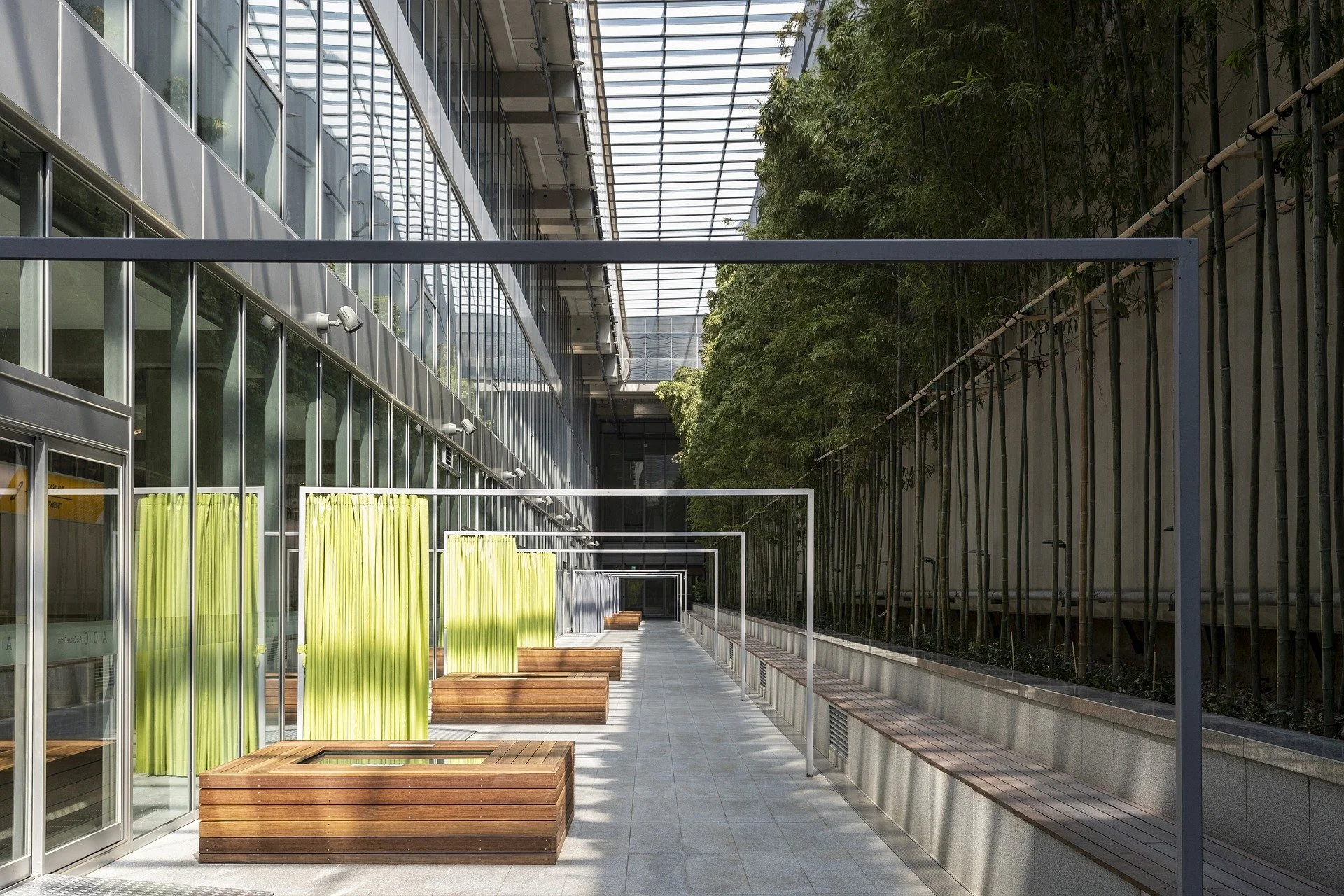
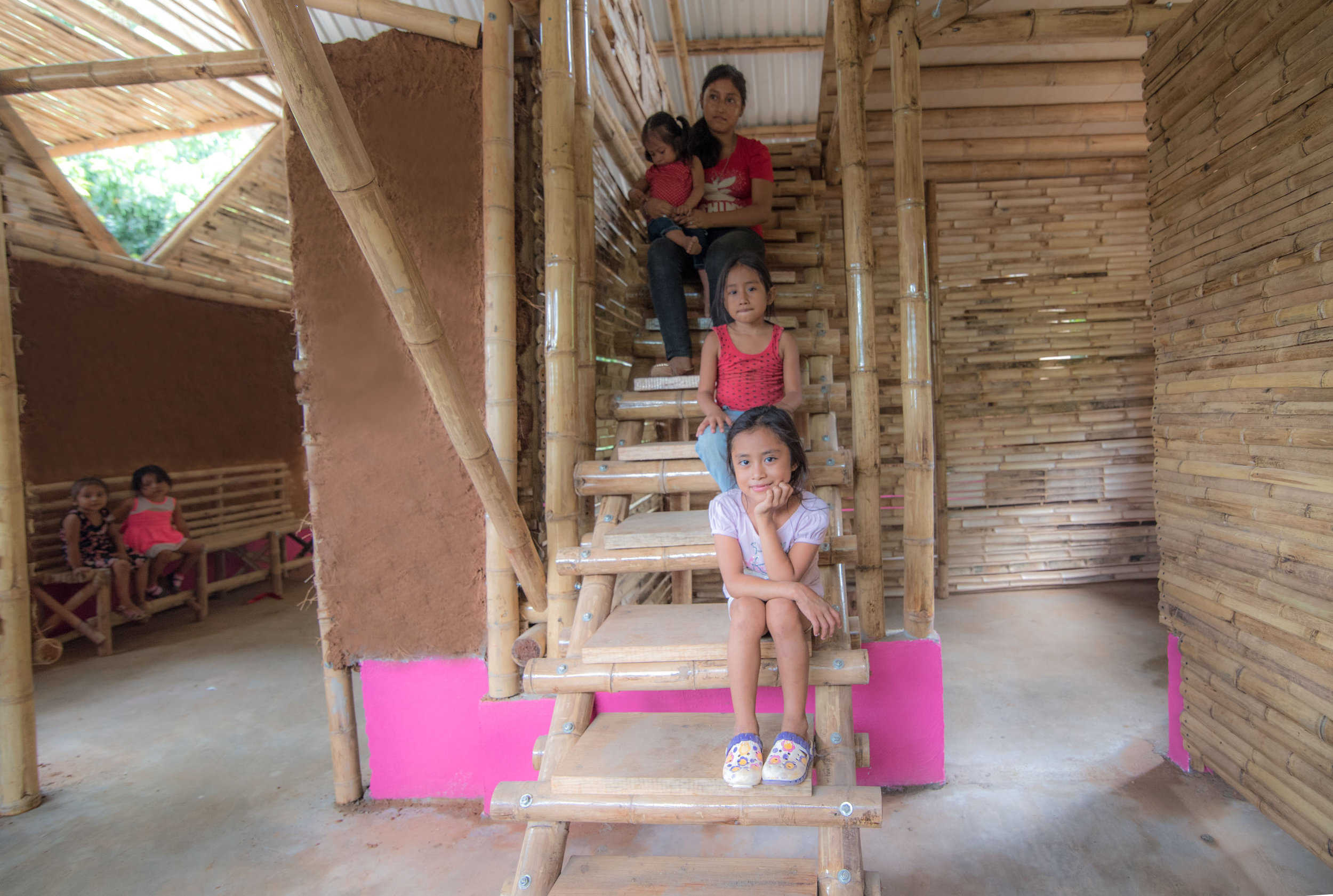
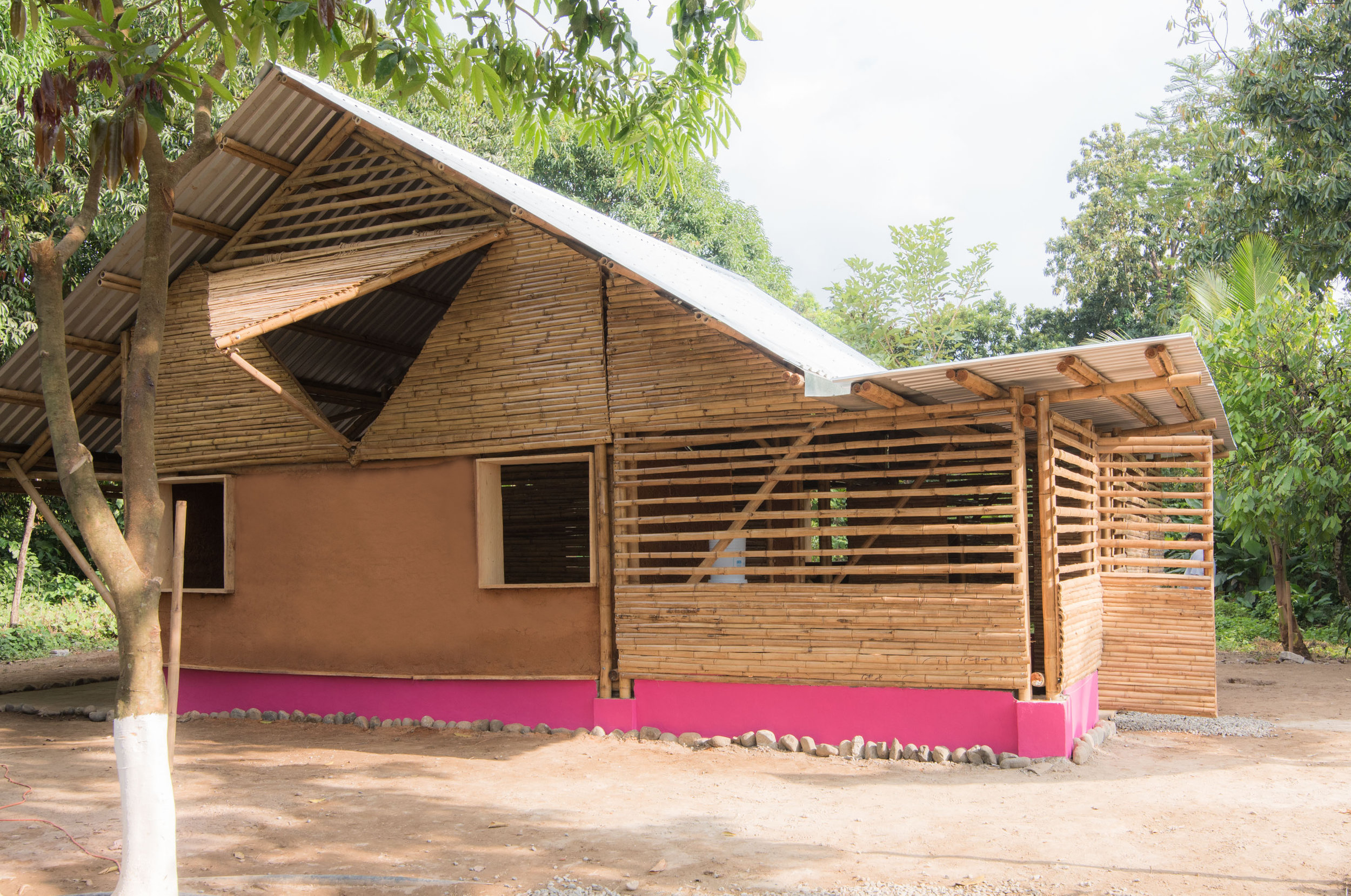
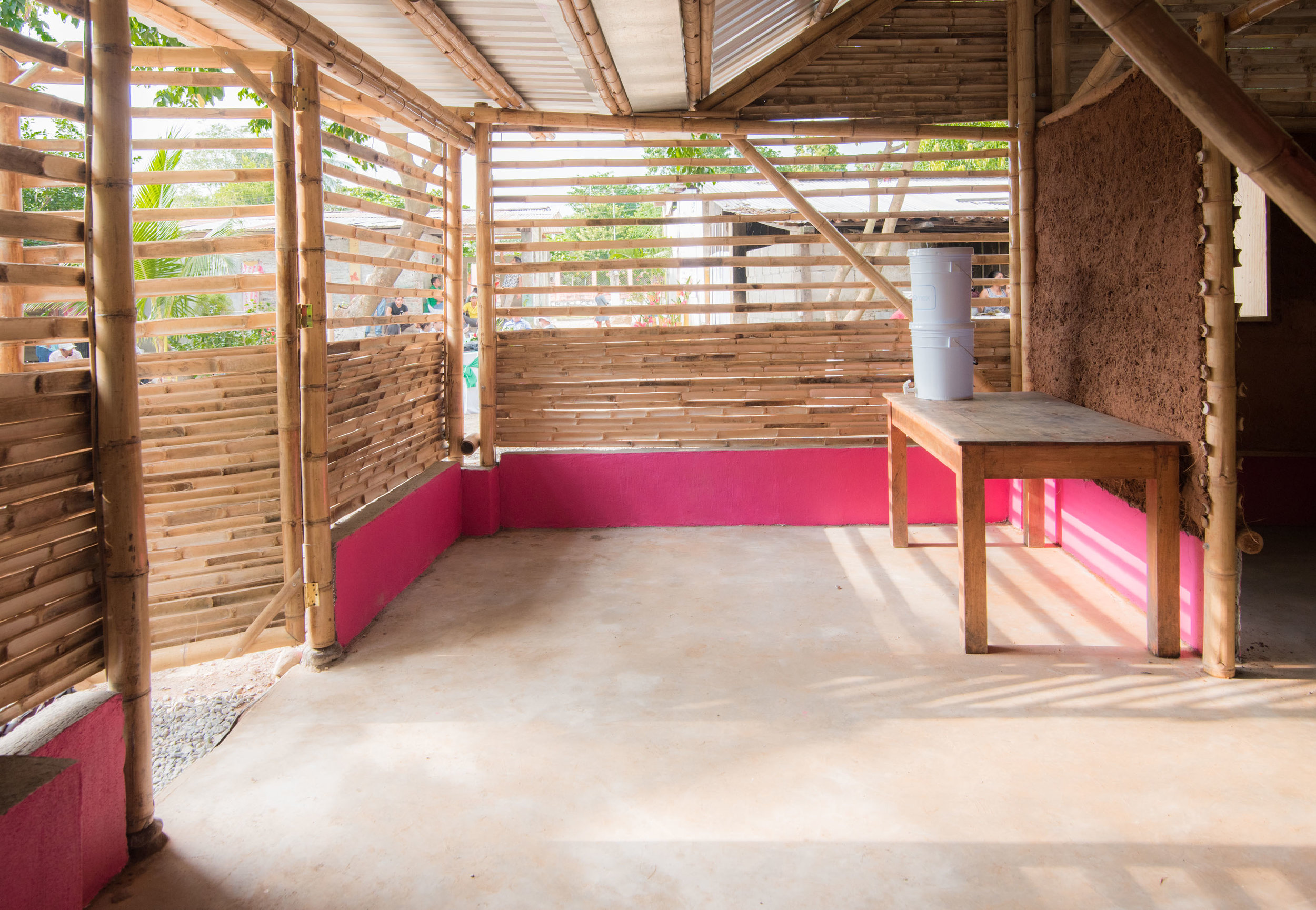
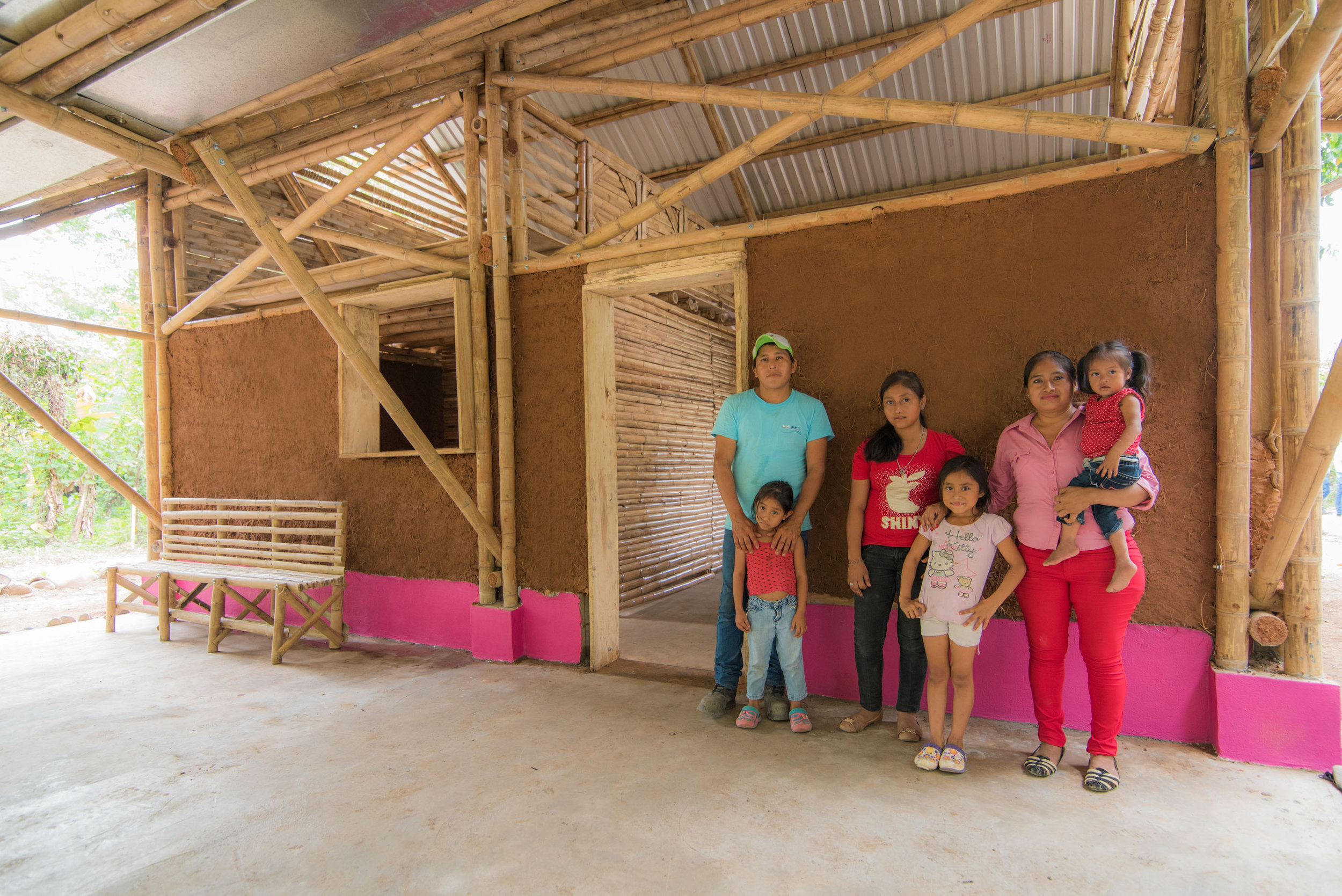
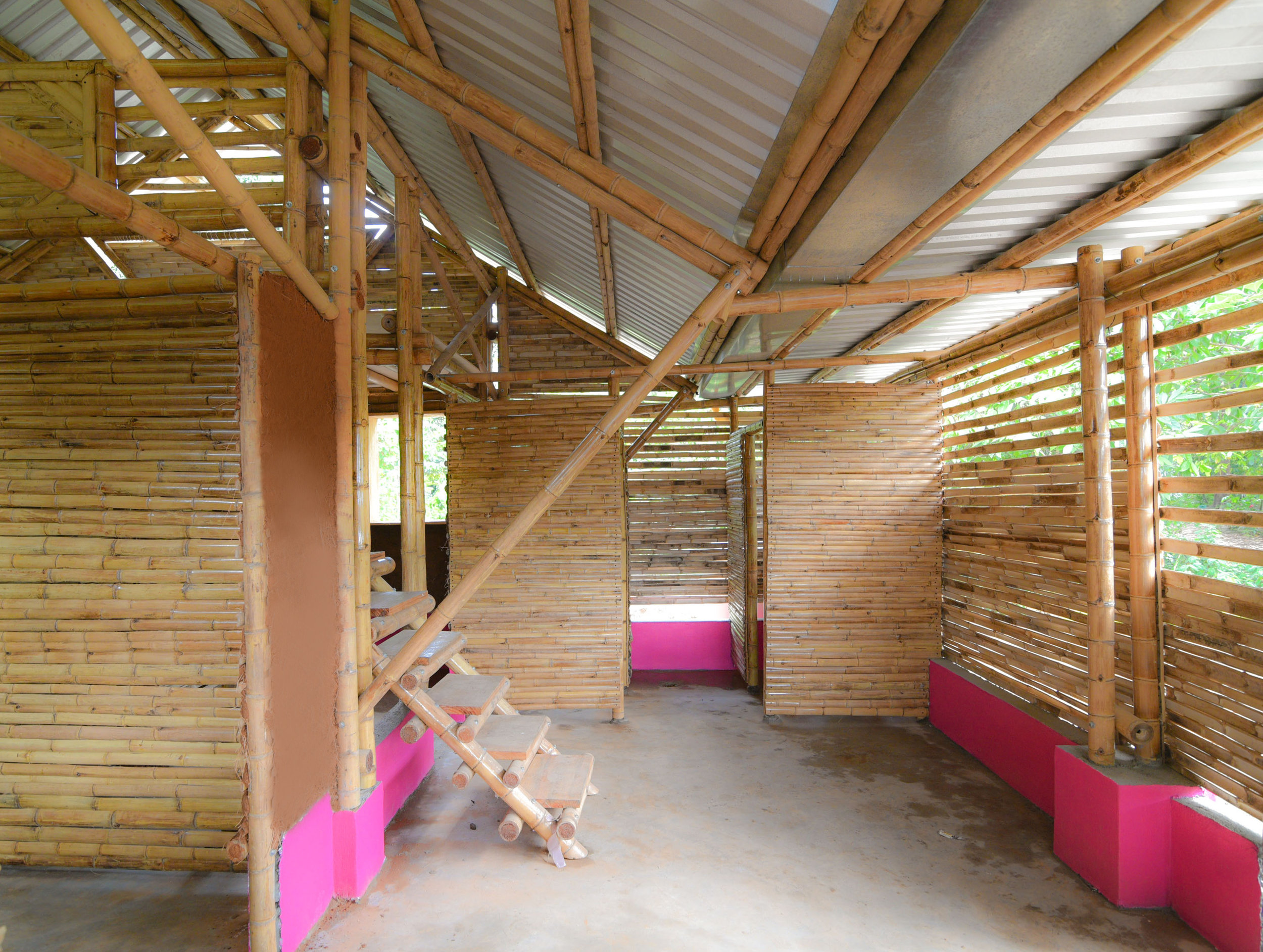
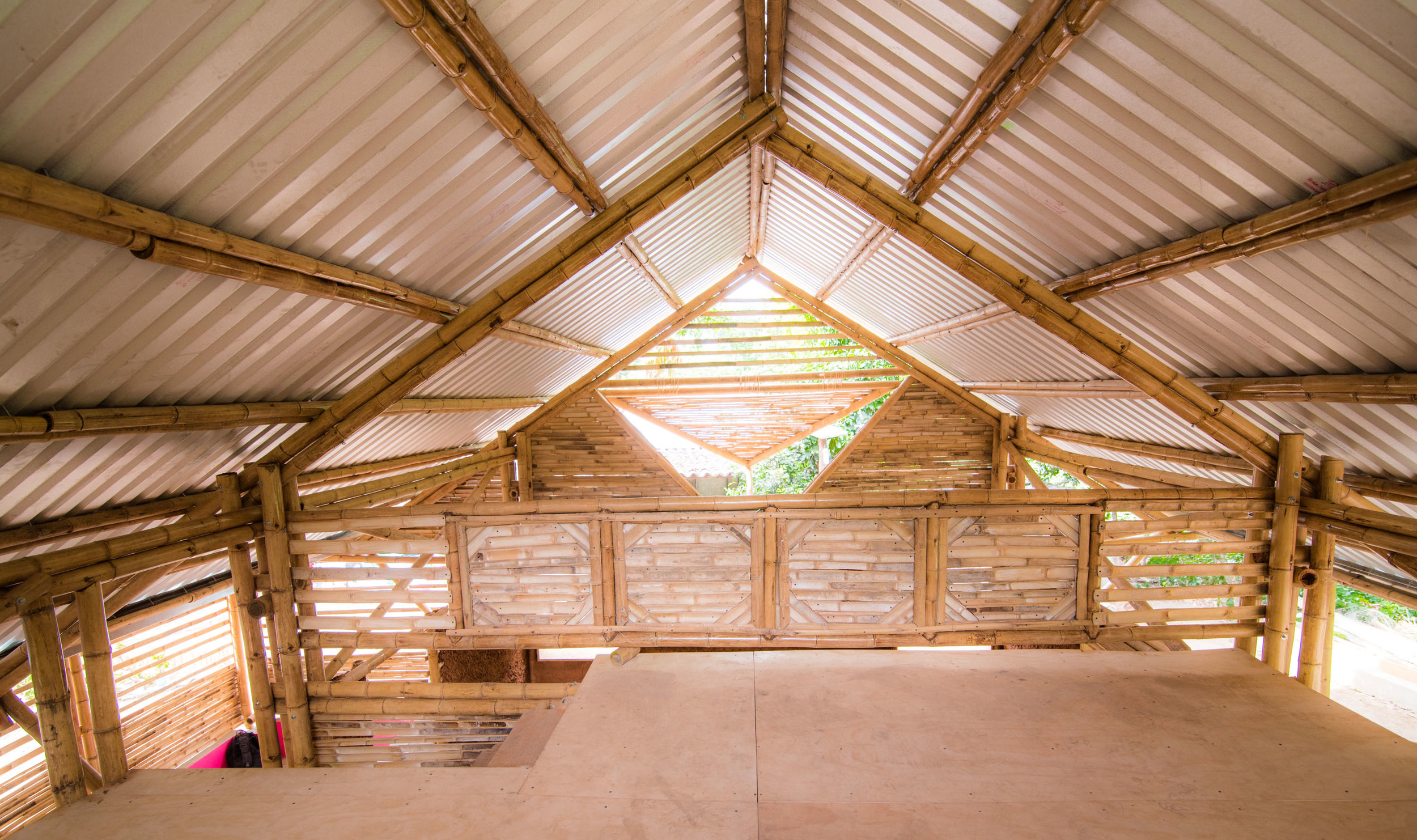
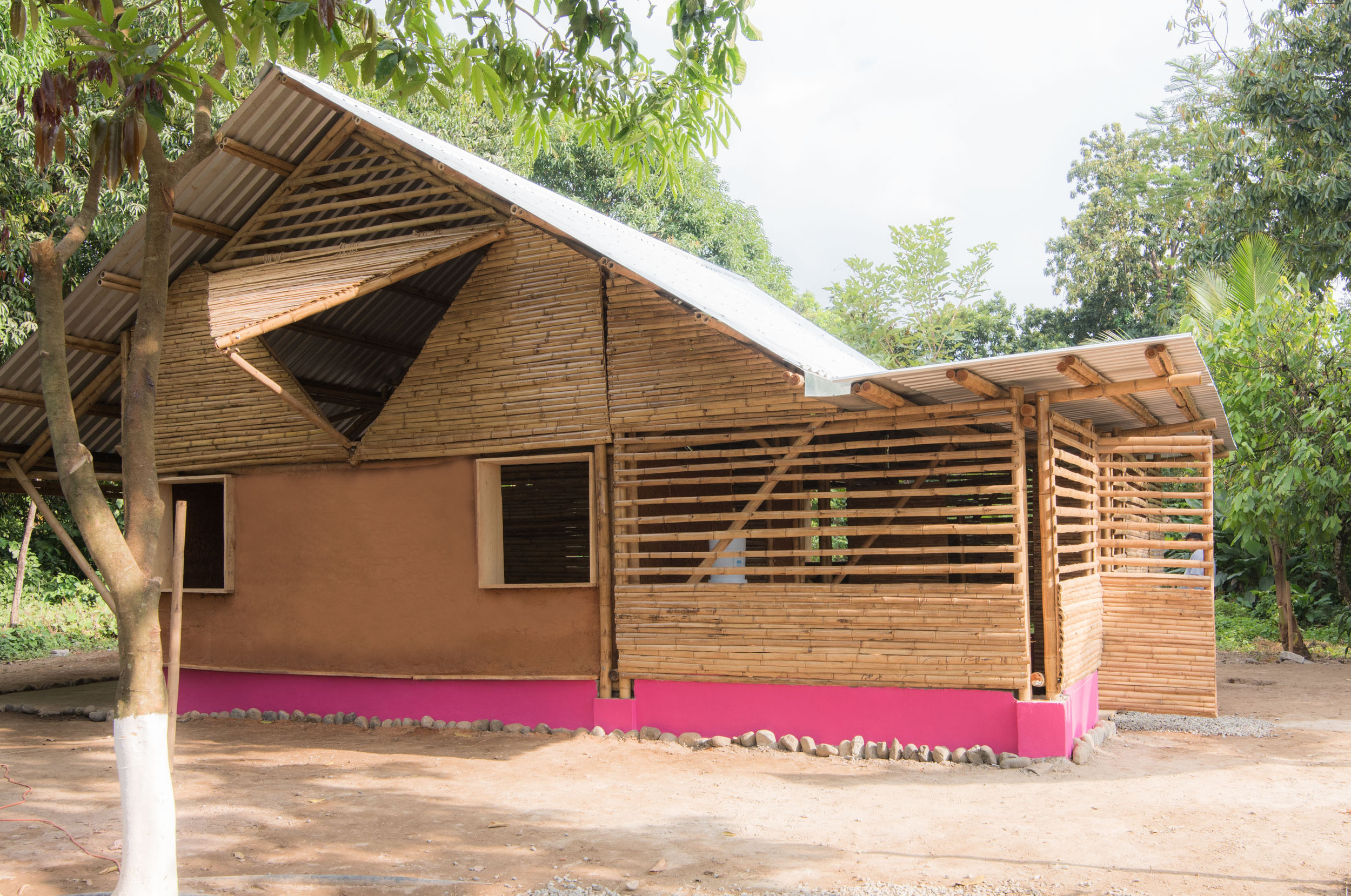
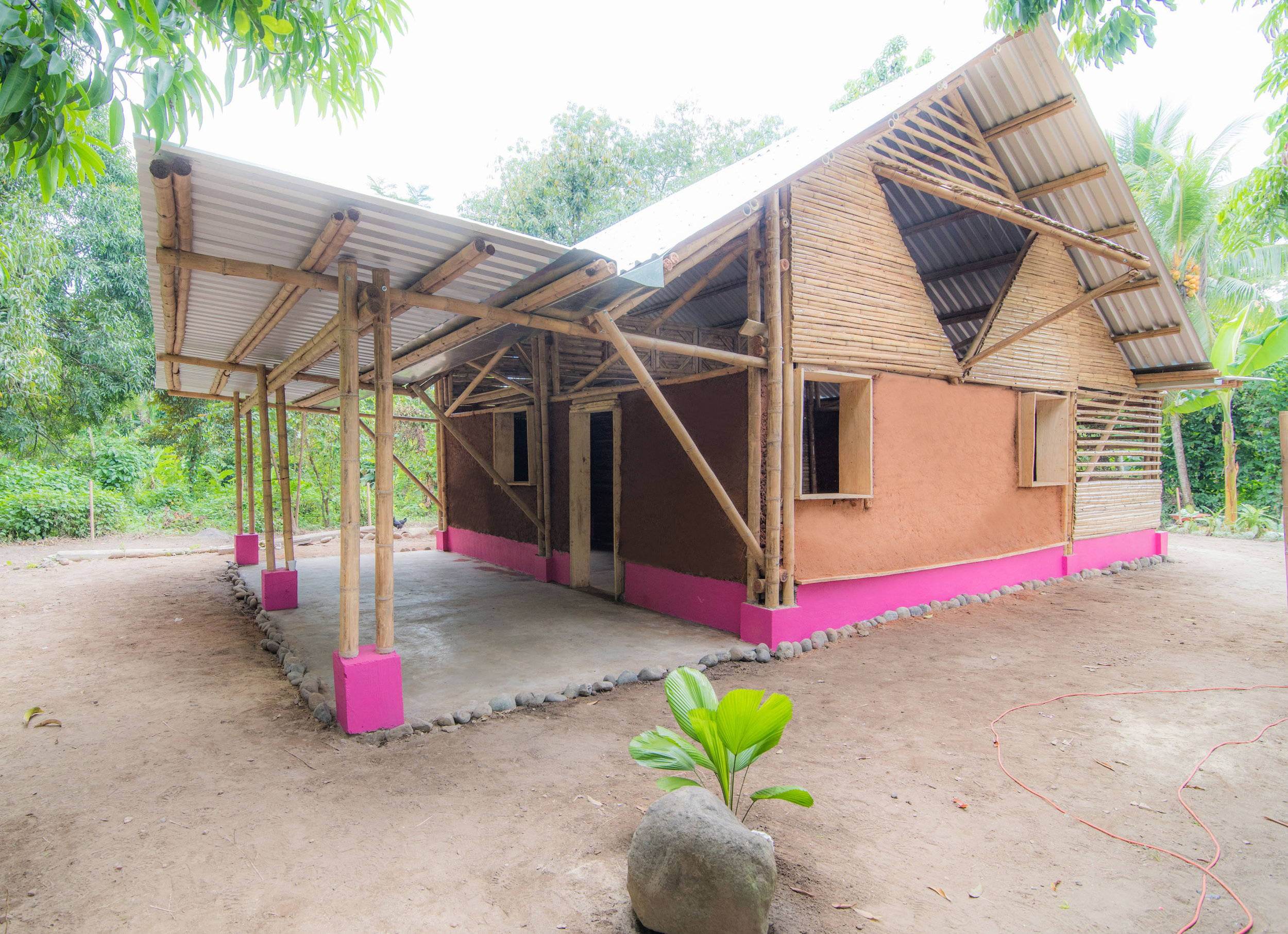
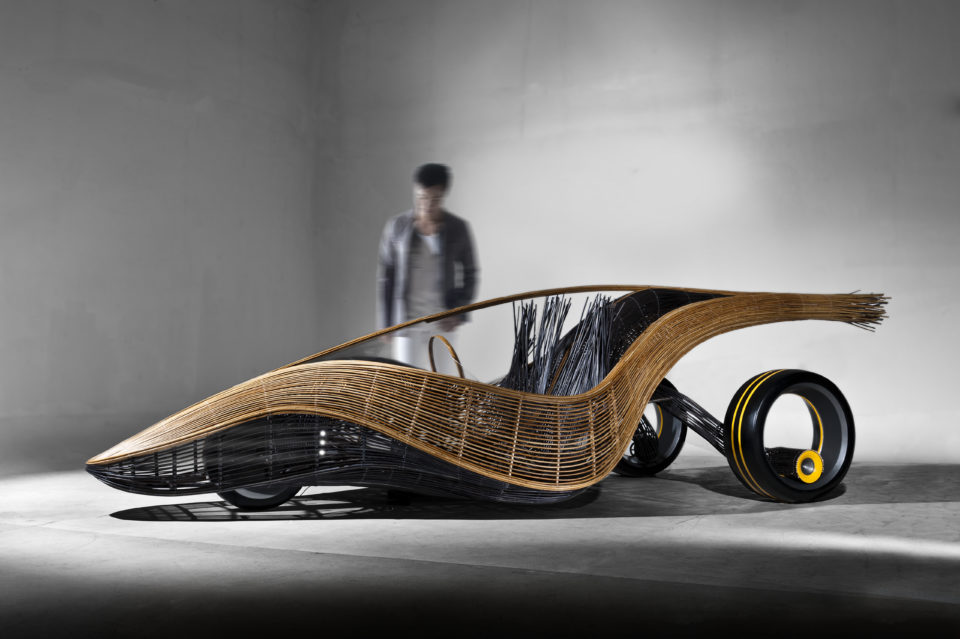
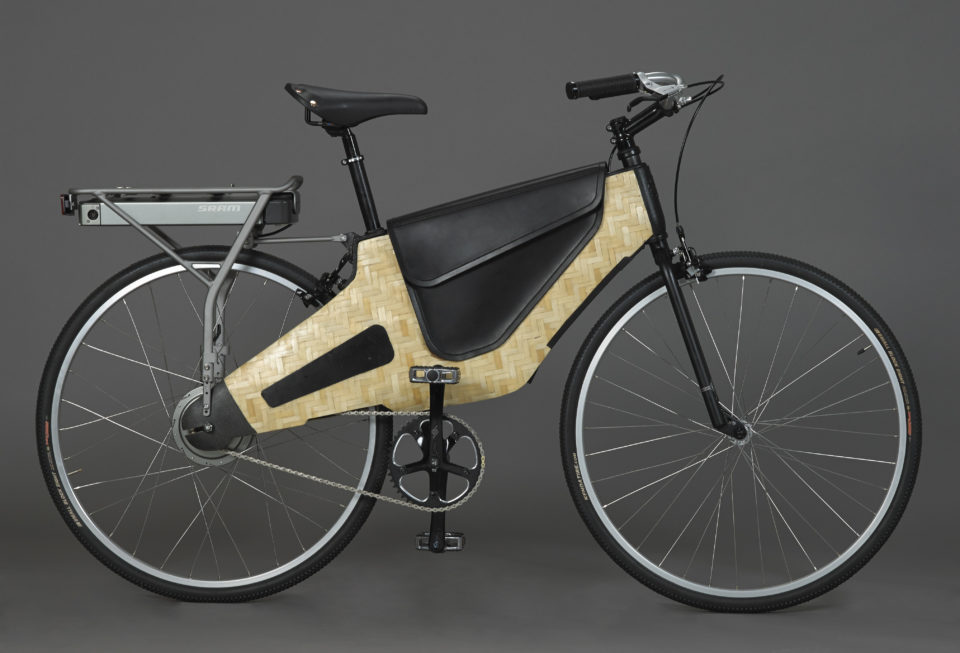
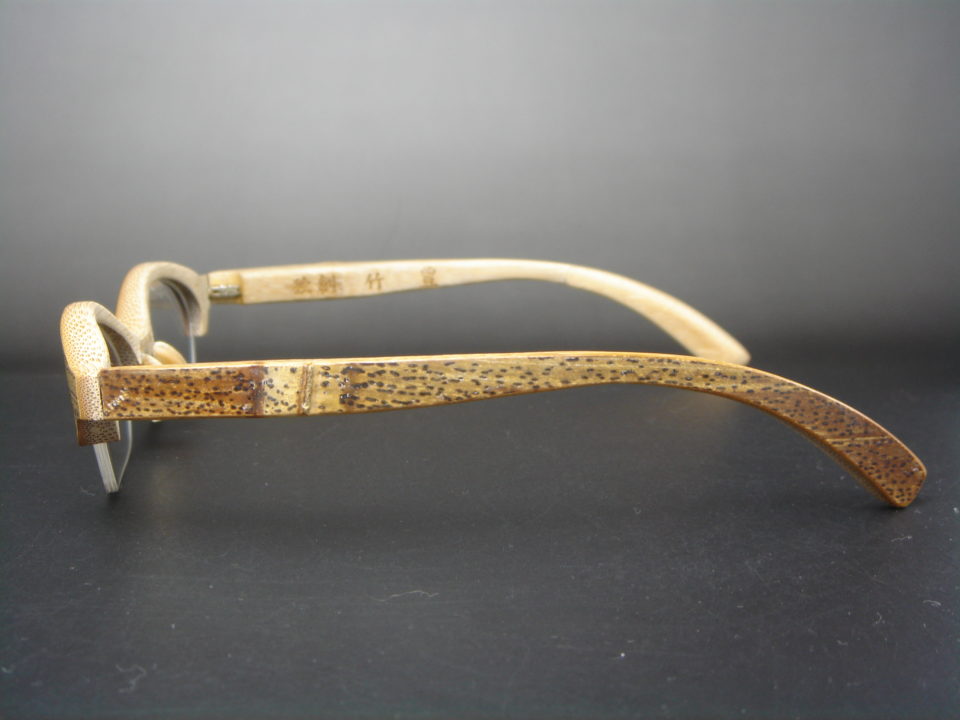
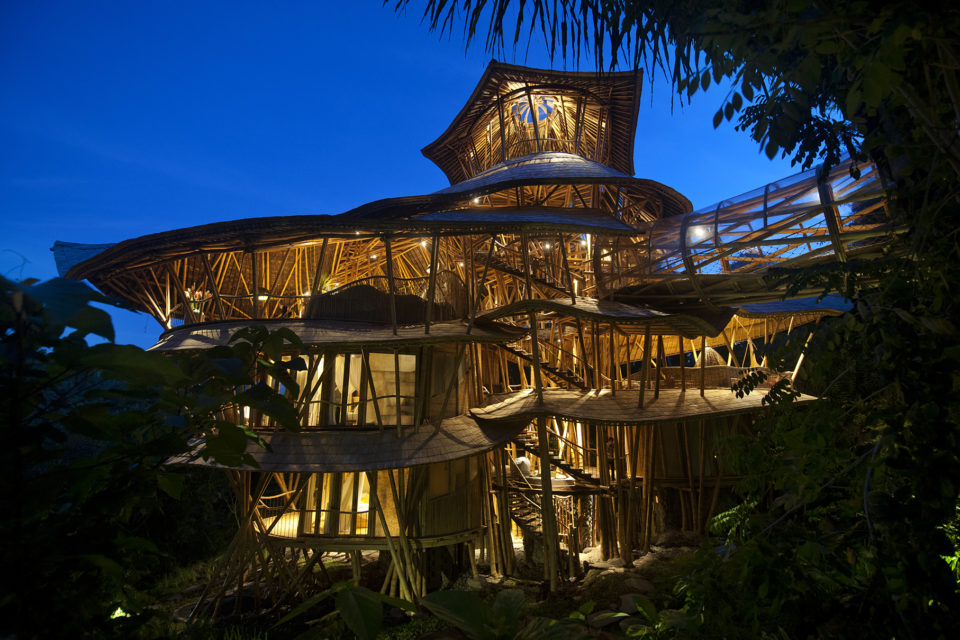
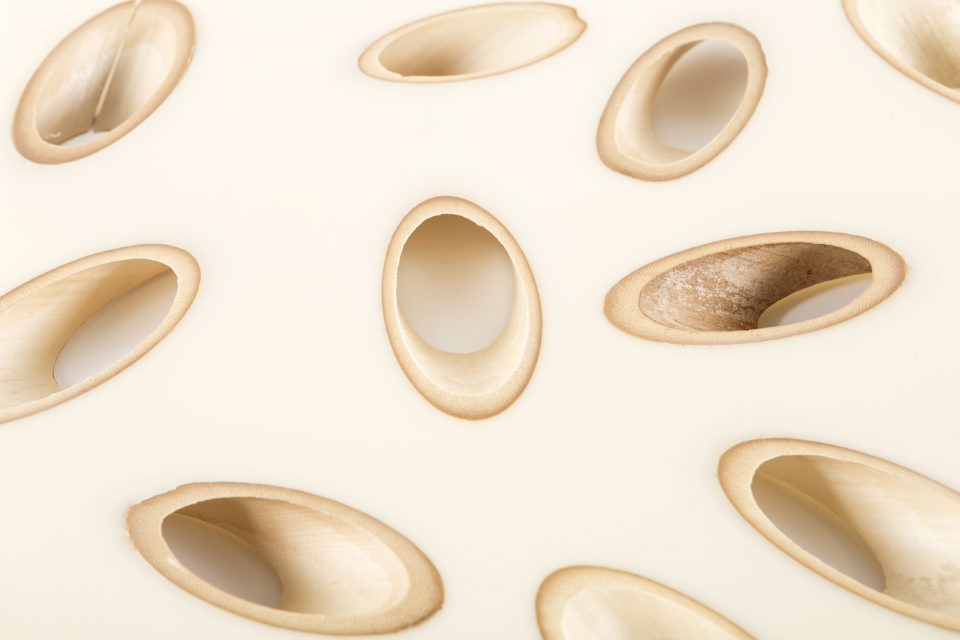
When choosing materials for Green Building, experts consider their carbon footprint, and, therefore, natural materials like Bamboo are preferred (NCBI). Bamboo is a versatile material that can be used in different ways, including bamboo poles, bamboo splits / bamboo
slats, planks, and other structural elements. Also, it absorbs 5 to 10 times more CO2 than other types of wood. (The Third Pole)
Read: The focus of the future will be green buildings.
Green Building projects can be done regardless of their size thanks to the versatility of the materials used (i.e., soil, stones, or wood such as bamboo poles ).
Contrary to traditional construction, Green Building considers resources optimization from different fronts, including designs based on the cutting-edge energy management systems, reuse and optimization of water consumption during construction and subsequent use of the space, and higher savings in investment and maintenance of buildings (The Sustainabilist).
Green Building projects require lower investments; savings are mainly reported in the use of natural materials, smart energy and water consumption during project execution, and lower use of heavy machinery. Also, energy efficiency drives a reduced consumption of energy resources in the maintenance and use stages.
The ideal product for Green Building
Materials used for green constructions can have a significant impact on environmental preservation and provide savings for construction projects. These include stones, soil, adobe, cob, and wood, as the leading input.
Wood is recyclable and CO2 neutral. Construction systems worldwide have traditionally used wood as the main material, and among the different types of wood used in construction, Bamboo stands out.
Bamboo lumber can turn into columns, planks, panels, and other structural elements giving a unique appearance to each project. This is a versatile and easy and fast-growing material that can be shaped to the weather conditions of almost any location and helps the environment thanks to its CO2 absorption.